
 Receive Bonus
  Play Now!
| Responsible Gambling Area | Practical Rule |
| Money | Set a fixed budget before playing |
| Essential expenses | Never use money needed for rent, bills, food or loans |
| Borrowing | Do not borrow money to gamble |
| Time | Decide how long a session will last |
| Breaks | Step away regularly during longer sessions |
| Losses | Do not increase spending to recover previous losses |
| Expectations | Treat gambling as entertainment, not income |
| Stopping | End the session when limits are reached |
Set a Gambling Budget
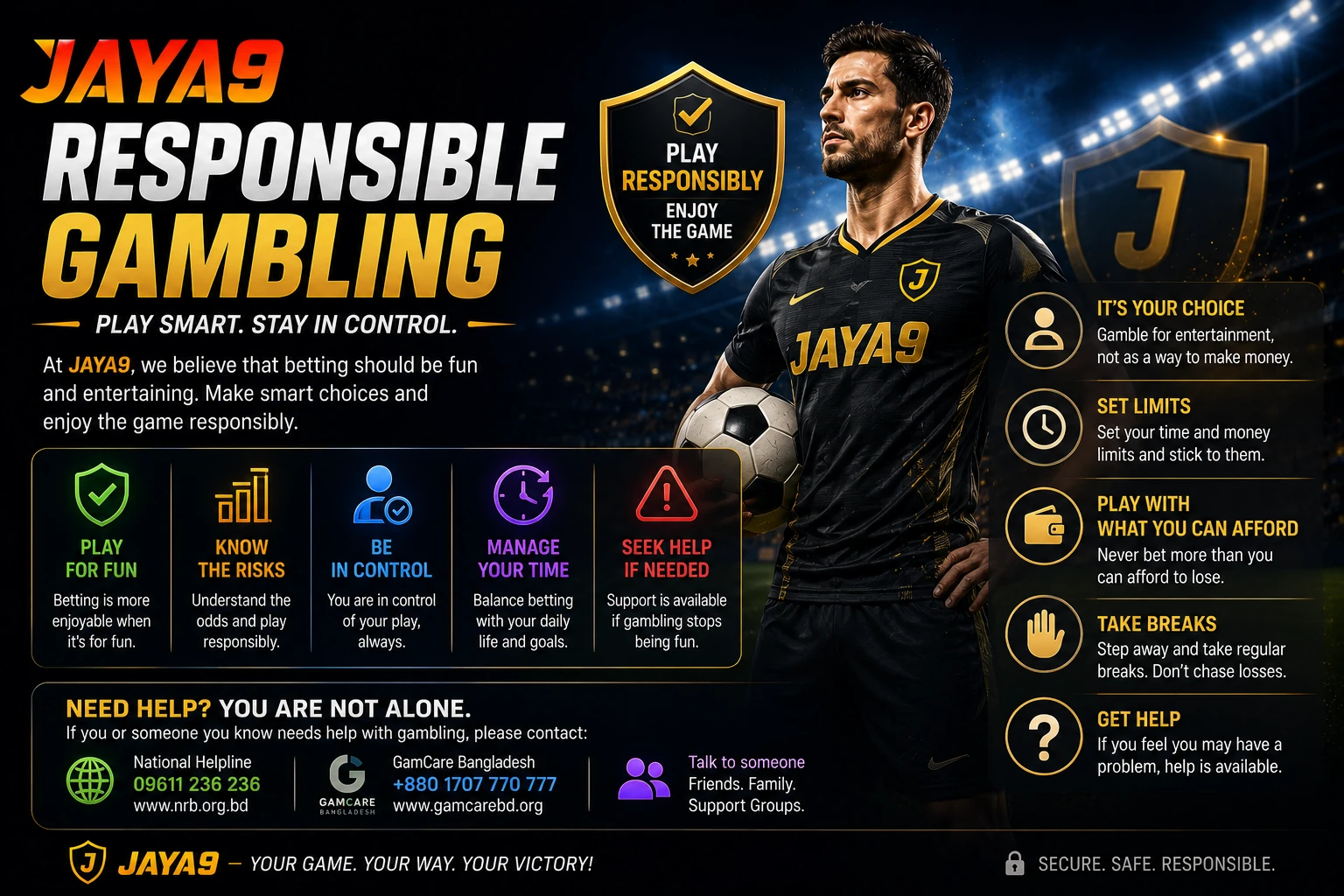
A gambling budget should be decided before a session begins. It should be separate from money required for normal living expenses and financial commitments.
The purpose of a budget is to create a clear maximum amount that can be lost without affecting everyday life. Once that amount has been reached, the session should end rather than continue with additional money.
A simple budget check can include:
- deciding how much disposable money is available;
- separating that amount from essential household spending;
- setting a maximum gambling limit;
- stopping when the limit is reached;
- reviewing spending after the session.
Changing the limit while gambling reduces its value. A limit works best when it is treated as a fixed rule rather than a flexible target.
Only Use Money You Can Afford to Lose
Only disposable money should be considered for gambling. Losing it should not affect necessary payments or create financial pressure later.
Money intended for the following should remain outside a gambling budget:
- rent or housing costs;
- electricity, internet and other bills;
- food and household expenses;
- loan or debt repayments;
- transport and other essential costs.
For users in Bangladesh, the same principle applies regardless of the payment method or currency used. A balance that is technically available should not automatically be considered money that can safely be spent.
Never Borrow to Gamble
Borrowing increases the financial risk because a gambling loss can then create a separate debt.
This includes borrowing from:
- banks or lending services;
- credit facilities;
- friends or relatives;
- other sources that require repayment.
Borrowing may also encourage a person to continue gambling after reaching the original spending limit. This can turn a short session into a longer financial problem.
If the available gambling budget has been used, the appropriate action is to stop rather than find additional money.
Stick to Your Spending Limit
A spending limit should not increase because a session is going badly.
A common risk appears when someone thinks that one more bet or game could recover earlier losses. This can lead to larger bets and progressively higher spending.
A useful rule is simple: once the predetermined budget has been reached, do not deposit more money during the same session.
| Situation | Responsible Response |
| Budget has been reached | Stop the session |
| A large loss occurs | Do not increase the next bet |
| You feel tempted to deposit again | Step away from the platform |
| You want to recover money quickly | End the session instead of chasing losses |
| Essential money would be needed | Do not continue gambling |
Manage Your Time
Responsible gambling is not only about money. Time is also an important limit.
Long sessions can make it harder to notice how much time has passed, especially when games or sports events continue without a natural stopping point. Setting a time limit before starting provides a clear end to the session.
Time spent gambling should not replace sleep, work, study, family responsibilities or other normal activities.
Set a Session Time Limit
Choose a maximum session length before starting rather than deciding when to stop during play.
A phone timer or reminder can help. When the notification appears, treat it as the planned end of the session rather than an invitation to extend it.
A practical approach is:
- choose the session duration before opening the platform;
- set an alarm or timer;
- avoid extending the session after a loss or win;
- finish when the planned time ends.
The aim is not to predict how the session will develop. The limit should remain the same regardless of the result.
Take Regular Breaks
Breaks reduce the risk of spending a long period continuously focused on gambling.
During a break, leave the game or betting screen completely. Do something unrelated to gambling rather than simply switching between different games or sports markets.
Regular breaks can make it easier to check:
- how much time has passed;
- how much money has been spent;
- whether the original limits are still being followed;
- whether emotions are influencing decisions.
A break is particularly useful when frustration, excitement or impatience begins to affect behaviour.
Keep Gambling in Perspective
The result of one game, bet or session should not determine what happens next.
A win does not guarantee future wins. A loss does not create an obligation to recover the money immediately. Each new gambling decision still involves risk.
Responsible gambling means accepting that money set aside for a session can be lost and that the appropriate response to a loss may simply be to stop.
Do Not Chase Losses
Chasing losses means continuing to gamble because of a desire to win back money that has already been lost.
This behaviour can take several forms:
- increasing the size of the next bet;
- depositing more after reaching the budget;
- extending the planned session;
- switching games in search of a quick recovery;
- continuing because stopping would make the loss feel permanent.
The problem is that another bet does not reverse the risk of the previous one. It creates a new financial risk.
If a loss causes an urgent desire to continue, that is a good reason to stop the session and step away.
Do Not Treat Gambling as Income
Gambling should not be included in a personal financial plan as expected income.
Results are uncertain, so winnings should not be relied on to pay rent, bills, food, loans or other necessary costs.
A person should also avoid setting financial targets such as needing to win a particular amount during a session. That can encourage longer play and larger bets when the target has not been reached.
Treating gambling as entertainment helps keep expectations realistic.
Know When to Stop
Responsible gambling includes recognising when continuing is no longer a sensible decision.
Stop the session when:
- the spending limit has been reached;
- the planned time has ended;
- you feel angry, frustrated or unusually emotional after a loss;
- you feel an urgent need to recover money;
- you are considering borrowing or using essential funds;
- you have lost track of how long you have been gambling;
- gambling is interfering with normal responsibilities.
Stopping does not need to depend on whether the session ended with a win or a loss.
The most useful limits are the ones established before gambling begins and respected throughout the session. A fixed budget, a clear time limit, regular breaks and realistic expectations can help keep gambling in perspective and reduce the risk of losing control.